Globeflower
Globeflower is a symbol of the Ural region of Russia.
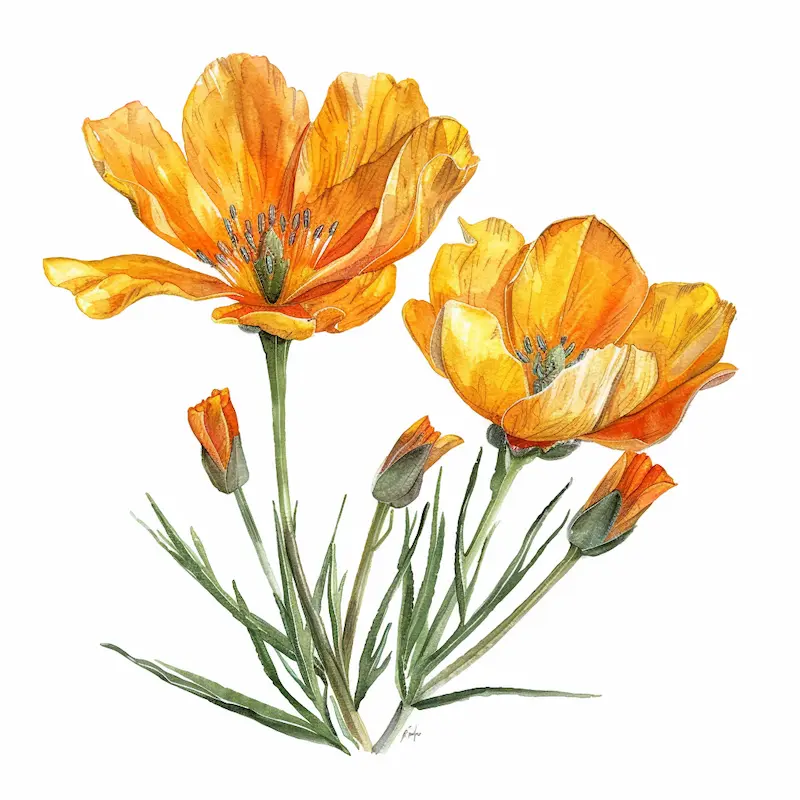
Asian globeflower is one of the most beloved spring plants in gardens worldwide, offering gardeners a true celebration of yellow and orange flower globes. This perennial plant originates from the hybridisation of Asian species and has delighted lovers of natural beauty for over a century. From May to June, it unfolds its characteristic hemispherical inflorescences, which immediately capture attention with their extraordinary geometry—like tiny golden spheres suspended above the foliage.
Asian globeflower grows into compact bushes, gracing the garden with elegant, deeply dissected foliage. The assortment of hybrid forms is quite varied: from delicate lemon-yellow to vibrant orange hues. Each cultivar has its own character, but all are united by a special charm and resilience to weather challenges. The plant prefers full sun or light shade and requires particular attention to soil moisture—it thrives far better where the soil never dries out.
In the garden, globeflower is the absolute queen of moisture-loving compositions. Plant it on the banks of ponds, in damp lowlands, or in mass plantings—everywhere it will look natural and harmonious. A remarkable characteristic of this plant is that if you cut the flowers immediately after blooming, it may produce a second flush of blooms later in the season, bestowing the garden with another wave of golden radiance. This is a plant that is more demanding of moisture than of heat, so it will thrive beautifully even in the cool regions of Ukraine, bringing to the garden the atmosphere of a woodland stream bank with its mystery and allure.
Globeflower — planting & location
Prefers moist locations, waterside banks.
How to water Globeflower
Do not allow the soil to dry out.
Fertilizing and pruning: Globeflower
Cut back after flowering—may bloom a second time.