Dahlia
Over 50,000 dahlia varieties have been developed
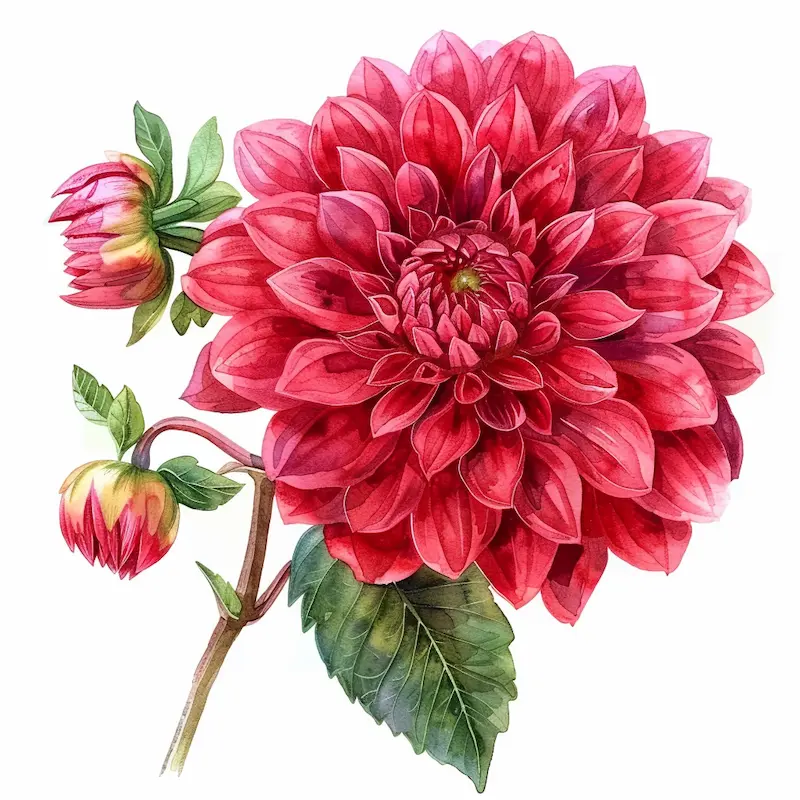
The hybrid dahlia is a true queen of the summer garden, delighting the eye with its exuberant blooms from July until the first frosts. This plant originates from Mexico, where indigenous peoples have valued it for centuries not only for its beauty but also for its edible tubers. European plant breeders took up the dahlia in the eighteenth century, and since then it has become one of the most variable garden plants — today there are over 50,000 varieties of diverse forms and colours.
The variety of dahlia cultivars is simply astounding: from modest single-petalled flowers to luxurious double blooms the size of a ball; from miniature dwarf plants to flowering giants as tall as a person. The colour palette encompasses all the hues of the rainbow — from pure white and delicate pastel tones to vibrant oranges, deep burgundies, and even near-black shades. Such diversity allows every gardener to find a dahlia to their taste — whether for cutting or for garden display.
Dahlias are favourites for creating bold compositions in the garden, especially in autumn when other flowers have already faded. They look stunning in arrangements, last several days in a vase, and make every cut memorable. Gardeners value them for their long flowering period and undemanding nature, although for first-class results it is worth giving them some attention — staking the stems and promptly removing enlarged flower heads.
A curious fact: the dahlia impressed Europeans so much that in the eighteenth century it was called an unprecedented marvel. Today this Mexican beauty has become one of the most popular garden plants in Ukraine — tubers readily survive winter with simple storage, so each spring one can gladly replant a favourite colour again and again.
Dahlia — planting & location
Tuberous; tubers must be stored annually
How to water Dahlia
Stake or tie to support
Fertilizing and pruning: Dahlia
Pinch out growing tips to encourage bushiness