Eastern Arborvitae
Lives up to 800 years in the wild
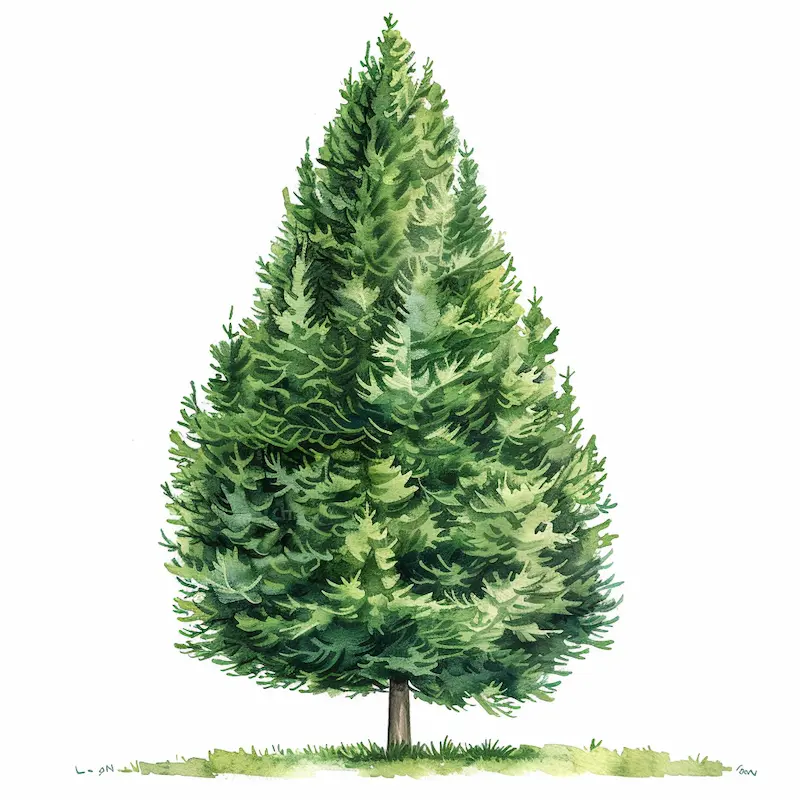
Eastern Arborvitae is one of the most popular conifers in horticulture, and deservedly so. Native to northeastern America, it arrived in European gardens more than three centuries ago, where it quickly won the hearts of gardeners with its undemanding nature and enchanting appearance. Today, Eastern Arborvitae is a true classic, seen on every continent, from small urban gardens to grand estates.
Remarkable diversity of forms and colours is what makes thuja indispensable in landscaping. There are dwarf forms measuring 30–50 cm tall and tall varieties reaching up to 15 metres, columnar and broad-rounded, with brilliant green and golden foliage. 'Emerald', 'Smaragd', 'Yellow Ribbon' — each cultivar has its own character. Dense foliage that does not shed even in winter bestows rich greenery upon the garden during the harshest months of the year. When light falls at a certain angle, the tiny scales of the foliage shimmer with golden glints — simply magical!
In the garden, Eastern Arborvitae is a universal helper. It forms hedging beautifully, creates a backdrop for vibrant flower beds, looks imposing in formal compositions and romantic in naturalistic gardens. It combines exceptionally well with juniper, box, spirea and other trees and shrubs. Thuja tolerates urban pollution, shows moderate resistance to diseases and pests, making it suitable for conditions where other conifers hesitate.
And here lies the most intriguing fact: thuja trees manage to live up to 800 years in the wild! Imagine — a tree that has witnessed more than eight centuries of the world's changes. This fact transforms each planted thuja into a symbol of continuity and a gift to future generations. It is no wonder that gardeners are so devoted to this plant — it promises to be a loyal companion to more than one generation of a family.
Eastern Arborvitae — planting & location
Evergreen, coniferous, suitable for hedging
How to water Eastern Arborvitae
Water regularly during the first year
Fertilizing and pruning: Eastern Arborvitae
Remove no more than 1/3 of new growth at a time