Monkshood
Even a small dose of aconite is lethal to humans.
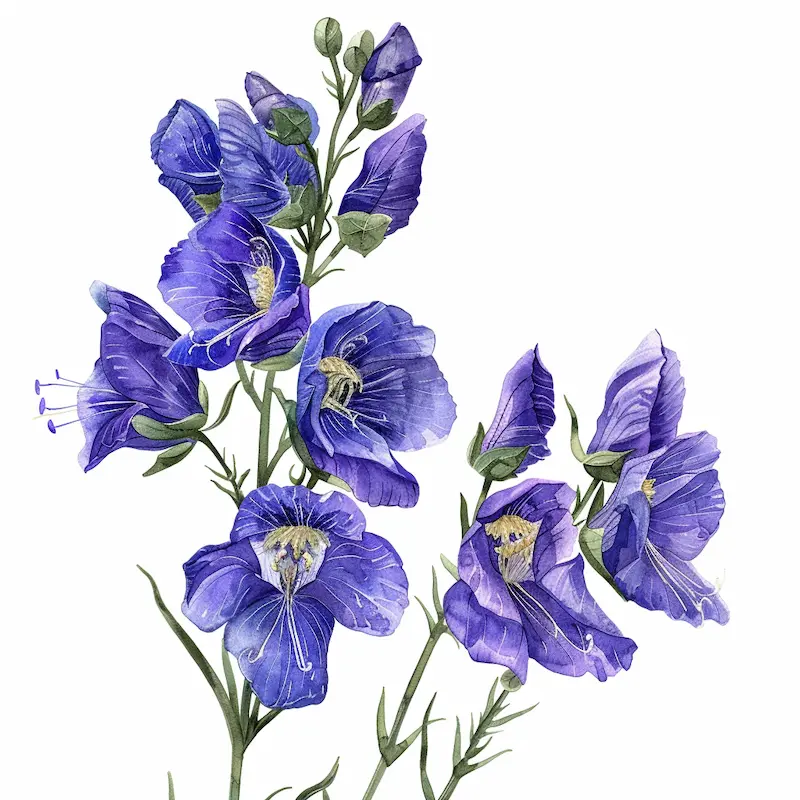
Monkshood is one of those plants that inspires both admiration and caution. This exquisite perennial, with its robust root system, has been deeply rooted in European flora since medieval times, when its poisonous properties were meticulously studied and documented. In its natural habitat, monkshood dwells in mountain valleys and damp forests throughout Europe and Asia; today, however, gardeners around the world cultivate it with enthusiasm, drawn to its enigmatic, almost mystical beauty.
The glory of this plant's flowering is enough to take your breath away. From June to August, monkshood unfolds magnificent flower spikes adorned with elegant blue and violet blooms that, in form, genuinely resemble a monk's hood—indeed, this is the very origin of its evocative English name. Each individual flower appears as a remarkable miniature, demonstrating nature's craftsmanship. Beyond the classical blue form, hybrid varieties exist in pure white and blue-and-white combinations, which expand the possibilities of garden design and allow for striking compositional contrasts.
In the garden, monkshood is a plant for those who appreciate depth and complexity. It thrives splendidly in shaded corners where many other flowers refuse to bloom, creating a dramatic backdrop for delicate spring primroses or combinations with white perennials. The plant's considerable height allows it to be positioned in the rear ranks of flower borders, whilst its prolonged flowering period makes it a dependable partner for the summer garden.
Yet be honest with yourself: monkshood is not a plant for unconditional affection. Its toxicity, which renders it one of Europe's most dangerous plants, demands respect and caution. Plant it well away from areas where children play, and always work whilst wearing sturdy gloves. Should you be prepared to accept this arrangement, monkshood will become your silent aristocrat—a plant that speaks of refinement, knowledge, and the ability to perceive beauty in its most secretive forms.
Monkshood — planting & location
One of the most poisonous plants in Europe! Do not plant where children are present
How to water Monkshood
Always wear gloves when handling!
Fertilizing and pruning: Monkshood
Cut back to 5–7 cm from ground level