Grapevine
Viticulture is one of the oldest agricultural practices: Vitis plant fossils have been found in deposits dating back 66 million years.
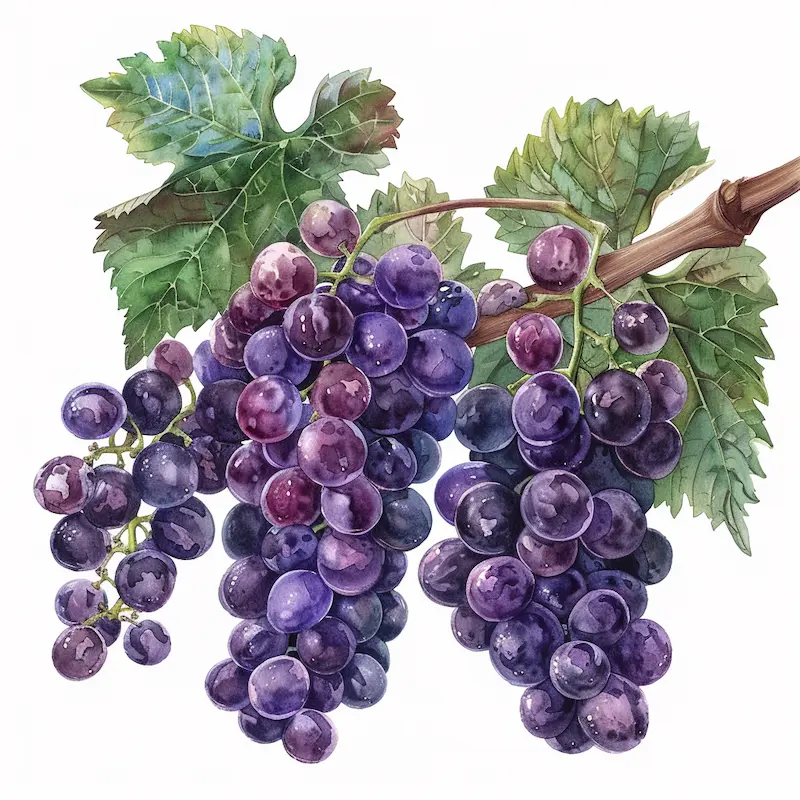
Grapevine is one of the oldest fruit crops, accompanying mankind for over six thousand years. This deciduous climbing vine originates from the Mediterranean and South Caucasus regions, but is now distributed worldwide. Thanks to its undemanding nature and versatility, grapevine has become a symbol of many winemaking traditions—from French Burgundies to Ukrainian Crimean wines and the historic estates of Odesa.
Externally, grapevine impresses with vitality: flexible canes are covered with heart-shaped foliage that changes colours throughout the season—from bright green in spring to golden-brown in autumn. Tiny flowers blooming from May to June are gathered in cloudy flower clusters and attract bees. Each year, bunches of berries appear—ranging from white and pink to deep violet and black depending on the variety. Among gardeners' favourites are 'Lydia', 'Isabella', 'Black Pearl', and new seedless varieties that become increasingly popular each year.
In the garden, grapevine serves as both a fruit producer and decorative element: it beautifully adorns pergolas, arches and house walls, creating cosy corners with natural shading. The plant combines well with other summer crops—plums, peaches and apricots—without competing for resources. Grapevine is easy to train through pruning, which gives gardeners ample scope for creativity and experimentation.
Interestingly, fossil remains of the genus Vitis are known from the Miocene—a period 66 million years ago. This means that grapevine as a genus survived ice ages, the extinction of dinosaurs and global cataclysms. Such an ancient crop deserves our trust: it has been tested by time and is literally rooted in our civilisation. Plant grapevine in your garden—and you will not only obtain a harvest but also connect with a multi-millennial human tradition.
Grapevine — planting & location
Climbing vine requiring support and annual pruning.
How to water Grapevine
Stop watering 2–3 weeks before harvest!
Fertilizing and pruning: Grapevine
Short or long cane pruning