Lavender
A single plant yields up to 700 g of flowers per season
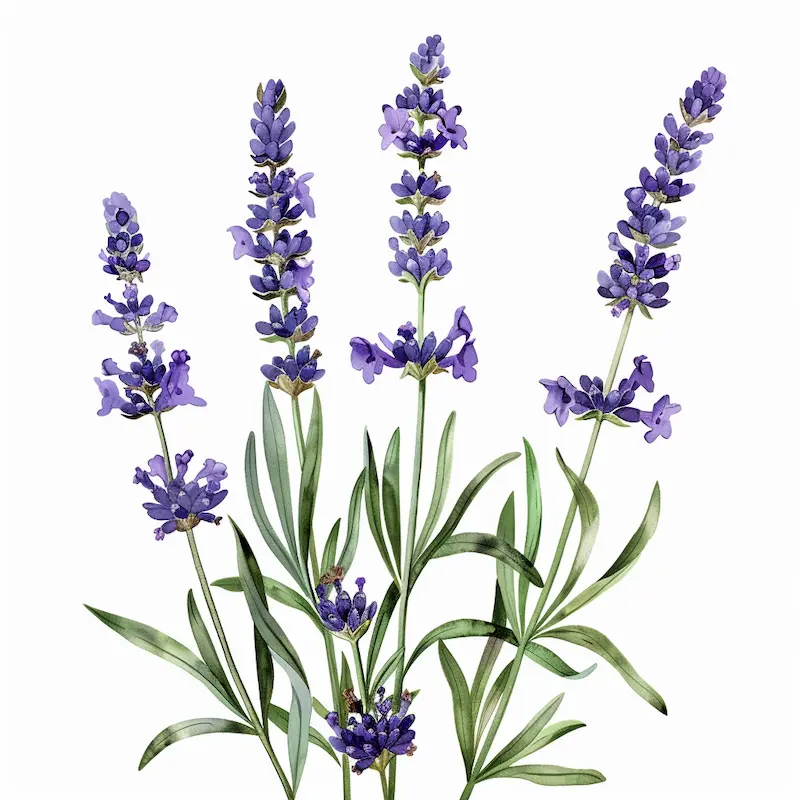
English Lavender is one of gardeners' most beloved aromatic perennials, prized for its undemanding nature and striking beauty. This plant originates from the Mediterranean, where it grew on rocky slopes and arid hillsides, yet over time it has captured the hearts of gardeners worldwide. Lavender cultivation boasts over 2,500 years of history, and it arrived in European gardens thanks to monks who treasured its remarkable fragrance and healing properties.
This graceful plant conveys an impression of modesty, but when it blooms, it transforms the garden into a violet carpet. From June to August, the bush becomes covered with dense spikes of delicate flowers—ranging from soft lilac tones to rich purple hues. The diversity of cultivars is astonishing: there are pristine 'Alba', rosy 'Rosea', deep 'Hidcote' and compact 'Munstead' varieties. The narrow, silvery foliage retains its ornamental appeal even after flowering, adding structure and volume to the garden.
Lavender is virtually a universal plant for any garden. It looks stunning in rock gardens, micro-borders and alpine rockeries, fitting beautifully into Mediterranean-style compositions. Flowers can be cut for bouquets or dried for room fragrance, and they are also used in culinary and cosmetic applications. As a honey plant, its nectar-rich flowers attract bees and butterflies, making lavender beneficial for the garden's ecosystem.
Want to create a corner of tranquility, fragrance and natural beauty in your garden? English Lavender is exactly what you need. A mature plant generously yields approximately 700 grams of fragrant flowers per season, and caring for it is pure pleasure.
Lavender — planting & location
Essential oil plant, valuable for pollinators, repels insects
How to water Lavender
Does not tolerate waterlogged soil
Fertilizing and pruning: Lavender
Cut back by one-third after flowering; do not cut into old wood